
It is four in the afternoon on a cold, gray day. Laura arrives with her black umbrella and shyly rings the doorbell of the center. Tears roll down her pale cheeks like hail falling from the sky. Her soul is weeping! Without a word, you could see the anguish and sadness she had been carrying for a long time.
She sits down timidly in a small green velvet room that recalls that little corner of home where, long ago, family gatherings took place with aunts, grandparents and parents. She drinks a cup of hot coffee, loaded with sugar, perhaps to sweeten a little the bitterness of visiting a place like this, a place that makes you face life.
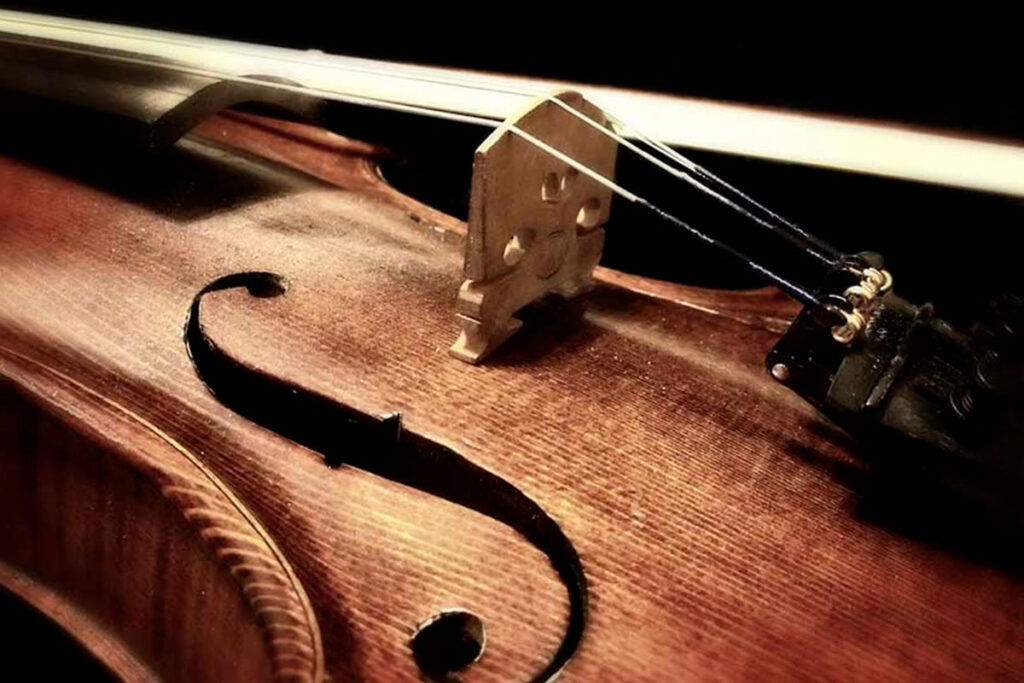
Her tired face, her not-so-tidy hair and her deep, dark circles reveal the toll of many long, sleepless nights. Her love, the love of her life, the one who used to play melodies on his violin beside her bed, is gone! The violin no longer sounds. They spent 54 years together, and his hands have forgotten how to make music. For many years, Laura cared for her love from dawn to dusk, setting her own life aside. She wanted to stop time, to keep the clock from moving, so that her sweetheart would keep recognizing her face and keep calling her with the same tenderness as when they were teenagers. But no. Dementia took him from her.
Between sobs, whispers and fears, Laura cannot go on. The whole world seems to be against her: the friends they once accompanied to grand celebrations in their golden years no longer call; the family reminds her of the vows she made at the altar to care for him in sickness and in health; and a harsh society judges her bluntly and says she is going to abandon him. Her eyes show that she simply cannot take it anymore.
Her heart still loves him, but her reason knows she needs help. “I’m dying too,” were the words she finally dared to say. She was overwhelmed by fear and guilt at having to bring him here. Questions swirl in her head, some of which she dares to ask: Will his bed be suitable? Will his meals be on time? Will they be able to love him? How much time will they spend with him? And others that, out of discretion, never left her lips but showed like signs in her eyes: Will they treat him with affection? Will they take good care of him? Will they be able to care for him the way I do?
Days go by and she returns. She looks even more exhausted than that first time. Her nights and days had become the same; her patience has run out, everything bothers her, and the ghost of depression appears.
As if fighting a war alone and without ammunition, the violinist’s wife gives in: now others will care for her beloved. A day goes by, a night, another day and another night, a week. And at last they meet again!
Her love, neatly combed, walking slowly but upright, wearing that same fragrance as when he was young, looks at her sweetly, as if he remembered her from somewhere. She cries at the sight of him, but takes a deep breath, because she knows that, in an act of love, he could not be in a better place.
She has found her light again. She arrives every day looking lovely, as in her younger years, a smile drawn on her face. She hurries to see her beloved, takes his hand, and together they keep walking for all eternity.